
How Hybrid Transformers Support Solar and Wind Energy Integration
Introduction
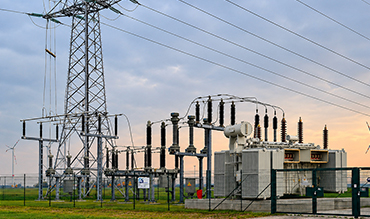
The global shift toward clean energy is transforming the way electricity is generated, distributed, and consumed. As countries invest in renewable energy sources such as solar and wind power, the need for reliable and efficient power infrastructure has become increasingly important. While renewable energy technologies often receive the spotlight, transformers play a critical role behind the scenes in enabling the successful integration of clean energy into the power grid. Modern transformers help ensure that renewable energy can be transmitted safely, efficiently, and reliably, making them a key component in the transition to a sustainable energy future.
Supporting Renewable Energy Integration
Solar farms and wind power plants generate electricity at varying voltage levels that must be adjusted before power can be transmitted through the grid. Transformers perform this essential function by stepping voltage levels up or down according to system requirements. By enabling efficient power transfer, transformers help renewable energy projects deliver electricity from generation sites to industries, businesses, and residential consumers without significant energy losses.
Improving Grid Stability and Reliability
Unlike conventional power generation, renewable energy sources can be influenced by weather conditions and environmental factors. This variability creates challenges for maintaining a stable power supply. Advanced transformer technologies support grid stability by managing voltage fluctuations and ensuring consistent power quality. They help utilities balance supply and demand while maintaining reliable electricity distribution across the network.
Enhancing Energy Efficiency
Energy efficiency is a major objective in the clean energy transition. Modern transformers are designed with advanced materials and engineering techniques that reduce energy losses during transmission and distribution. High-efficiency transformers contribute to lower operating costs, improved system performance, and reduced environmental impact. As organizations focus on sustainability goals, energy-efficient transformer solutions become increasingly valuable.
Enabling Smart Power Infrastructure
The future of clean energy depends on intelligent and interconnected power networks. Smart grids require advanced equipment capable of supporting real-time monitoring, automation, and data-driven decision-making. Modern transformers are evolving to meet these requirements by integrating advanced monitoring capabilities and supporting digital power management systems. These innovations help improve operational efficiency while enhancing overall grid performance.
Supporting Sustainable Industrial Growth
Industries are increasingly adopting renewable energy to reduce carbon emissions and improve sustainability. Reliable transformer systems ensure that renewable power can be integrated into industrial operations without compromising productivity or operational stability. By supporting efficient energy distribution, transformers help businesses achieve both environmental and operational objectives.
Conclusion
As the world continues its transition toward clean and sustainable energy sources, transformers remain a critical part of the power infrastructure that makes this transformation possible. From integrating renewable energy into the grid to improving efficiency and supporting smart power systems, transformers play a vital role in building a more resilient and sustainable energy future. At Padmavahini, we are committed to delivering advanced transformer solutions that support reliable power distribution, energy efficiency, and the growing demands of renewable energy infrastructure. Through innovation and engineering excellence, we continue to contribute to a cleaner and more sustainable future.