
How Hybrid Transformers Support Solar and Wind Energy Integration
Introduction
The global shift toward renewable energy has accelerated the adoption of solar and wind power systems across industries, commercial establishments, and utility-scale projects. While renewable energy sources offer significant environmental and economic benefits, integrating multiple energy sources into a stable and reliable power network presents unique challenges. Hybrid transformers play a crucial role in addressing these challenges by enabling efficient power transmission, voltage regulation, and seamless integration of renewable energy sources into the grid. As the demand for sustainable energy solutions continues to grow, hybrid transformers have become an essential component in modern power infrastructure, ensuring optimal performance and reliability for solar and wind energy projects.
What Are Hybrid Transformers?
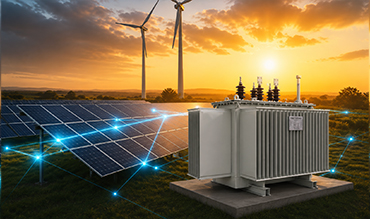
Hybrid transformers are specially designed transformers that support the integration of multiple energy sources, such as solar photovoltaic (PV) systems and wind turbines, into a common electrical network. These transformers are engineered to handle varying power inputs, fluctuating loads, and diverse operating conditions associated with renewable energy generation. By efficiently managing power flow from different sources, hybrid transformers help maintain grid stability while maximizing energy utilization.
The Growing Need for Renewable Energy Integratio
Renewable energy generation is inherently variable. Solar power production depends on sunlight availability, while wind power output fluctuates with wind speed and weather conditions. Integrating these energy sources into a single power system requires advanced electrical infrastructure capable of handling dynamic power generation patterns. Hybrid transformers provide the flexibility and reliability needed to combine renewable energy sources while ensuring consistent power delivery to industrial facilities, commercial operations, and utility networks.
Key Benefits of Hybrid Transformers in Solar and Wind Energy Projects
1. Efficient Power Management
Hybrid transformers facilitate the efficient transfer of electricity generated from both solar and wind sources. They help balance power flow between multiple generation systems and the grid, minimizing energy losses and improving overall system efficiency.
2. Enhanced Grid Stability
Renewable energy sources often experience fluctuations in power generation. Hybrid transformers help regulate voltage levels and maintain stable electrical output, reducing disturbances and ensuring smooth grid operation.
3. Improved Energy Utilizationt
By integrating multiple renewable energy sources into a single network, hybrid transformers maximize the utilization of available energy. This allows organizations to optimize power generation and reduce dependency on conventional energy sources.
4. Support for Large-Scale Renewable Projects
Utility-scale solar parks and wind farms require robust electrical infrastructure capable of handling high-capacity power transmission. Hybrid transformers are designed to manage substantial energy loads while maintaining operational reliability.
5. Reduced Operational Costs
Efficient energy integration and reduced transmission losses contribute to lower operating expenses. Hybrid transformers help improve system performance, resulting in long-term cost savings for renewable energy projects.
6. Compatibility with Smart Grid Technologies
Modern hybrid transformers can be integrated with advanced monitoring and control systems, enabling real-time performance tracking, predictive maintenance, and improved energy management.
Applications of Hybrid Transformers
Hybrid transformers are widely used across various renewable energy applications, including:
1.Solar power plants
2.Wind energy farms
3.Hybrid renewable energy systems
4.Industrial renewable power installations
5.Utility-scale power distribution networks
6.Smart grid infrastructure projects
Their versatility makes them a critical component in supporting sustainable energy development across multiple sectors.
Why Quality Matters in Hybrid Transformerss
The performance and reliability of a renewable energy project depend significantly on the quality of its electrical infrastructure. High-quality hybrid transformers are engineered to withstand varying environmental conditions, fluctuating loads, and continuous operation while delivering consistent performance. Selecting a trusted transformer manufacturer ensures enhanced efficiency, longer service life, reduced maintenance requirements, and improved return on investment for renewable energy projects.
Conclusion
As renewable energy adoption continues to expand worldwide, the need for reliable and efficient power integration solutions becomes increasingly important. Hybrid transformers serve as a vital link between solar and wind energy systems, enabling seamless energy transmission, improved grid stability, and optimized power utilization.
At Padmavahini , we are committed to delivering advanced transformer solutions designed to support the evolving needs of renewable energy projects. Our expertise in transformer manufacturing helps industries, utilities, and energy developers build efficient, reliable, and sustainable power infrastructure for the future.