
How to Improve Solar Transformer Efficiency in Power Plants
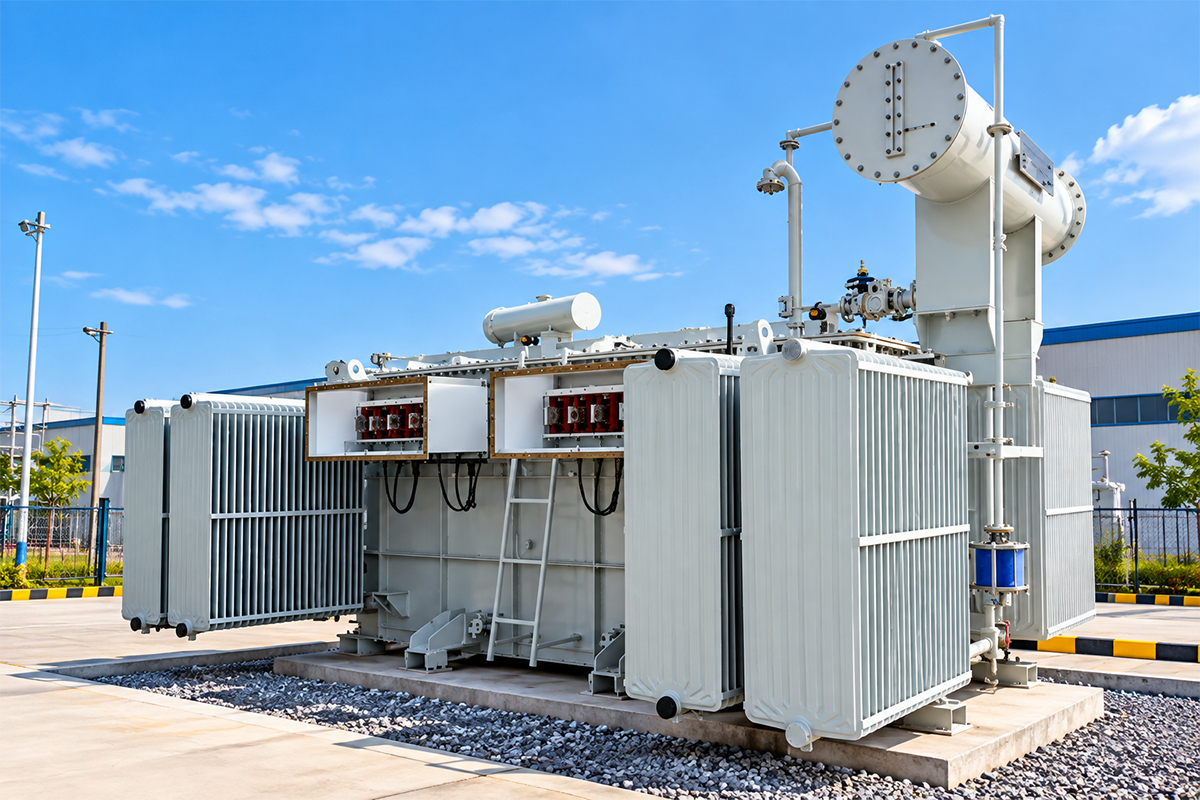
Solar power plants are becoming an important part of modern electricity generation. As more solar projects are developed, maintaining efficient power transmission becomes essential for stable plant performance. A Solar Transformer plays an important role by adjusting voltage levels and supporting the safe transfer of electricity from the solar generation system to the grid. Improving transformer efficiency can help reduce energy losses, maintain reliable operation, and support the long-term performance of a solar power plant
Choose the Right Transformer Capacity
Correct transformer sizing is one of the first steps toward better efficiency. A transformer should be selected according to the solar plant capacity, expected load, voltage requirements, and operating conditions. An incorrectly sized transformer may operate inefficiently, experience unnecessary losses, or face excessive loading during peak generation periods. Proper capacity selection helps maintain stable performance throughout the plant's operating cycle.
Reduce Electrical Losses
Transformer efficiency is closely connected with reducing electrical losses. Core losses occur continuously when the transformer is energized, while copper losses increase with load. Using suitable core materials, properly designed windings, and efficient transformer construction can help control these losses. Selecting a transformer designed specifically for solar power applications can also support better energy utilization.
Maintain Proper Cooling
Temperature has a direct effect on transformer performance. Excessive heat can increase losses and place additional stress on insulation and internal components. Proper cooling arrangements help maintain the transformer within its recommended operating temperature. Regular inspection of cooling systems, ventilation, oil levels where applicable, and temperature indicators can help prevent overheating and maintain consistent performance.
Monitor Load and Voltage Conditions
Solar generation can vary depending on sunlight and weather conditions. These variations can influence the load and voltage conditions experienced by the transformer. Regular monitoring helps identify abnormal operating conditions before they develop into major problems. Digital monitoring systems can track parameters such as temperature, voltage, current, and load, allowing operators to take timely corrective action.
Follow Regular Maintenance Practices
Routine maintenance is essential for maintaining transformer efficiency throughout its service life. Inspections can identify issues such as loose connections, insulation deterioration, overheating, abnormal noise, or other signs of equipment stress. Testing and maintenance should follow the manufacturer's recommendations and the operating requirements of the solar plant.
Consider Power Quality
Power quality can also influence transformer performance. Harmonics and voltage fluctuations may increase heating and losses in transformer components. Proper system design, suitable protection equipment, and regular power-quality monitoring can help reduce these effects and support reliable operation.
Supporting Efficient Solar Power Generation
For solar projects operating across different regions, selecting suitable transformer technology and maintaining consistent quality are important considerations. A Pan India solar transformer approach can support solar developers by addressing varied project capacities, environmental conditions, and grid requirements across locations.
Conclusion
Improving Solar Transformer efficiency requires the right capacity, efficient design, proper cooling, regular monitoring, preventive maintenance, and attention to power quality. These practices can reduce avoidable losses and support reliable electricity transmission from solar plants. As solar generation continues to expand, efficient transformer operation will remain an important part of building dependable and sustainable power infrastructure.