
Solar Power and Grid Integration: Why Transformers Matter
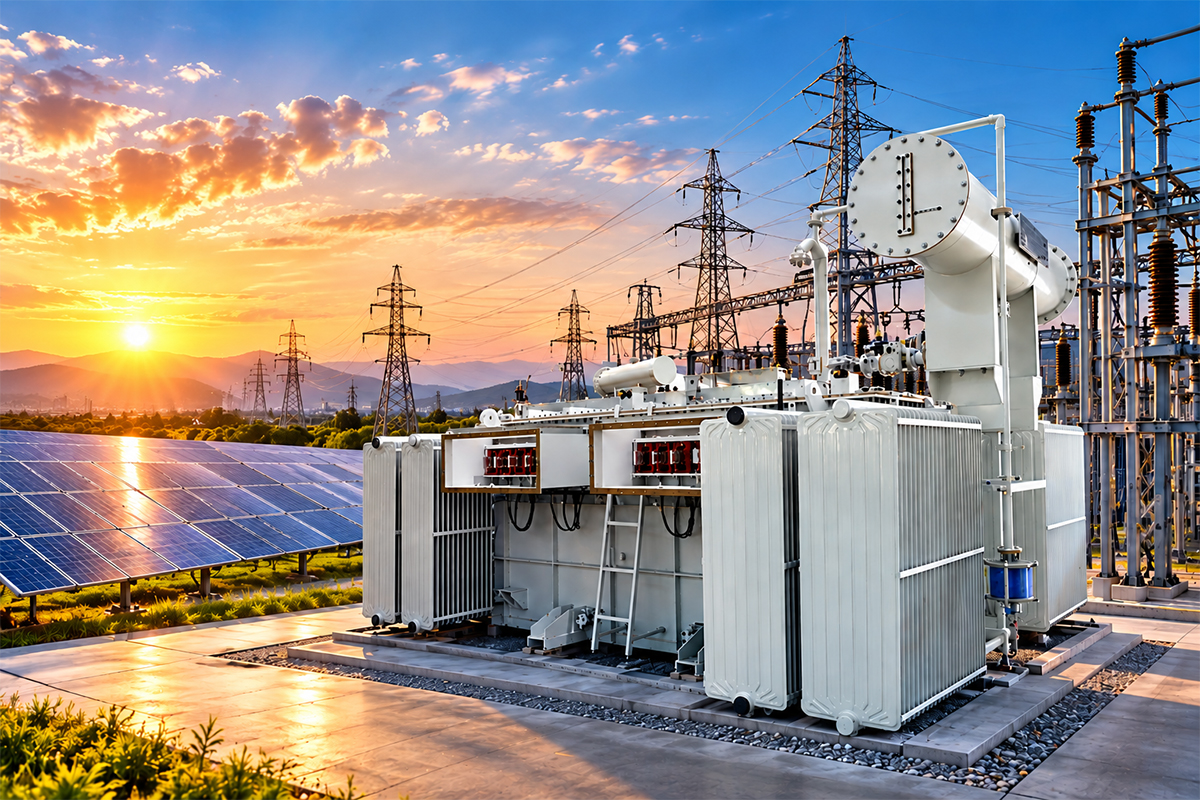
The use of energy is changing the way electricity is made and sent out. Solar energy projects generate electricity, but getting it to the power grid requires robust equipment. Transformers are a key part because they change voltage and move electricity safely from solar setups to the grid.
Understanding Solar Grid Integration
Solar panels produce electricity using photovoltaic technology.. The voltage produced by solar panels might not be suitable for a direct connection, to the utility grid. The electricity must go through stages before it reaches homes, businesses and industries.
I notice that transformers raise or lower voltage based on the needs of the plant and grid network. Transformers help keep power transmission efficient and electrical operation stable.
Why Transformers Matter in Solar Projects
Solar power generation depends on sunlight. It also depends on weather conditions.. It depends on the time of day. Because of this grid-connected solar projects require equipment. The electrical equipment must work properly when conditions change.
A properly designed transformer helps manage the power generated by the solar plant and transfer it efficiently to the grid. It also helps reduce transmission losses by allowing electricity to travel at suitable voltage levels. This is particularly important for large solar farms where power may need to travel long distances.
Supporting Voltage Stability
Voltage stability is important when renewable energy is connected to an existing electrical network. Changes in solar generation can affect power flow and voltage conditions.
Solar transformers supply the needed voltage conversion between the system and the grid. When you choose the solar transformer's capacity, the right voltage rating, the right cooling system and the right protection arrangement you help keep power flow stable and dependable
Choosing the Right Transformer Capacity
Selecting the right transformer capacity is essential for solar projects. The transformer should handle the expected power output without unnecessary overheating or overloading.
Engineers look at plant capacity, operating voltage, load conditions, environmental conditions, energy losses and future expansion. Proper planning keeps the transformer performing well when it must adapt to changing project requirements.
Efficiency and Maintenance
Transformer efficiency has an impact on the overall performance of a solar power plant. Core and winding losses can occur during operation. Suitable core materials, efficient winding designs, and proper cooling methods can help reduce these losses.
Regular maintenance is also important. Checking insulation, electrical connections, temperature, oil condition where applicable and other operating parameters can help identify problems early. Maintain reliable performance.
Protection and Reliable Operation
Solar transformers need protection because they are part of a bigger electrical network. Protection systems can help find problems like high-current short circuits, high temperatures and other issues
Regular testing can help check insulation, connections, oil condition, in oil-filled transformers and how well the transformer is working. These steps make solar plants safer and more reliable.
Conclusion
Reliable solar grid integration requires proper voltage transformation, efficient power transfer, suitable capacity, and effective protection. Choosing the right transformer and following regular testing and maintenance can support consistent solar plant performance. An experienced solar transformer manufacturer in India can help provide suitable transformer solutions for specific project and grid requirements.