
What Does kVA Mean and How Is a Transformer Rated?
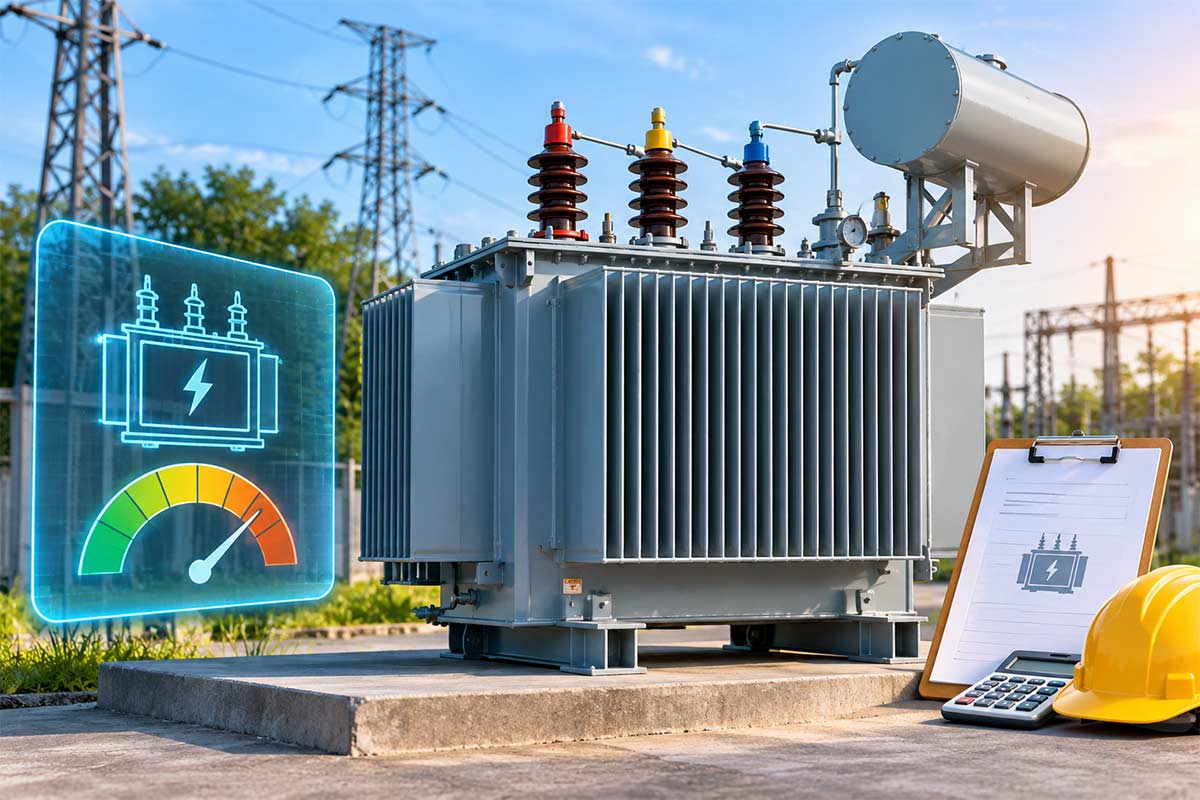
Transformers are used in industries, commercial buildings and power distribution systems to manage power supply. When choosing a transformer one detail to think about is its kVA rating. The kVA rating shows how much electrical load a transformer can handle safely. Understanding what kVA means helps a person pick a transformer that fits the power needs.
What Does kVA Mean?
kVA stands for kilovolt-ampere. It is a unit used to measure the power, in an electrical system. In terms it shows how much voltage and current a transformer can supply together. It helps us see how power the system can handle.
One kVA equals one thousand volt‑amperes. Unlike kW, which counts the power that equipment actually consumes kVA shows the apparent power. This difference matters because electrical equipment does not always use power at efficiency.
Why Is kVA Important in Transformers?
The kVA rating shows how electrical load a transformer can handle. Each transformer has a capacity. If you use it beyond that limit for long it can get too hot. This heat can damage the insulation. Shorten the life of the transformer. I am looking at a transformer with a 500 kVA rating. This transformer is built to manage a power load of up to 500 kilovolt‑amperes when it operates under the conditions that it was designed for. The real power that I can actually, measured in kilowatts will depend on the power factor.
How Is a Transformer Rated?
A transformer is generally rated based on several electrical and operating factors.
1. Voltage Rating
Voltage rating indicates the input and output voltage levels of a transformer. It helps determine whether the transformer is suitable for the electrical system where it will be installed.
2. Current Rating
Current rating refers to the amount of electrical current that the transformer can carry safely without exceeding its designed temperature limits.
3. kVA Capacity
kVA is the same, as voltage multiplied by current then divided by one thousand. For a three-phase transformer kVA is the same, as (root of three multiplied by Voltage multiplied by Current) divided by 1000.
These calculations help determine the transformer capacity. Knowing the transformer capacity is key for electrical applications.
4. Frequency and Temperature Rise
Frequency and temperature rise are also rating details. In my experience, the transformer must work at the transformer’s frequency. Stay inside the transformer’s temperature limits. This keeps the performance reliable.
How to Choose the Right Transformer Rating
Before you pick a transformer you must find out the connected load. I think knowing the transformer connected load will help you pick the transformer. You also need to think about which equipment will run at the time. Motors, pumps, compressors and other industrial machines each have needs when they start up and when they are running.
It is also useful to consider future load expansion. Choosing a suitable capacity with an appropriate margin can help avoid frequent overloading and unnecessary replacement.
Conclusion
Knowing kVA helps factories pick transformers that fit their needs. Checking voltage, current load demand and operating conditions before installing can make equipment longer and work better. In settings picking the correct 500 kVA distribution transformer helps meet power needs and keeps the electrical distribution stable and efficient.